The problems that delay projects - and how we prevent them
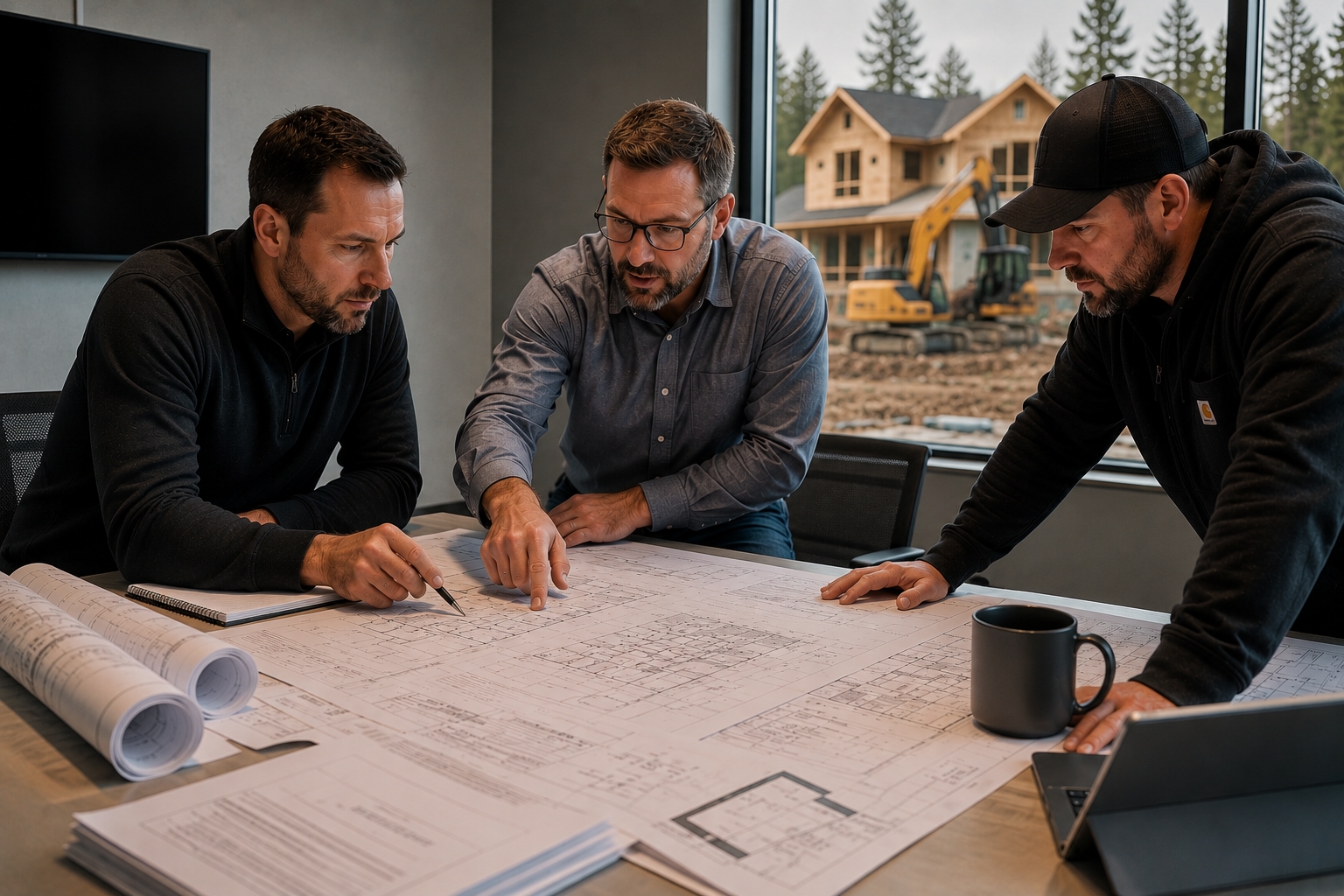
Most project delays do not come from one big mistake. They come from small gaps that compound: unclear scope, missing assumptions, plans that do not match the field, slow answers during construction, confusing review packages, and poor coordination between the owner, engineer, contractor, subcontractors, and reviewer.
The problems that delay projects- and how we prevent them
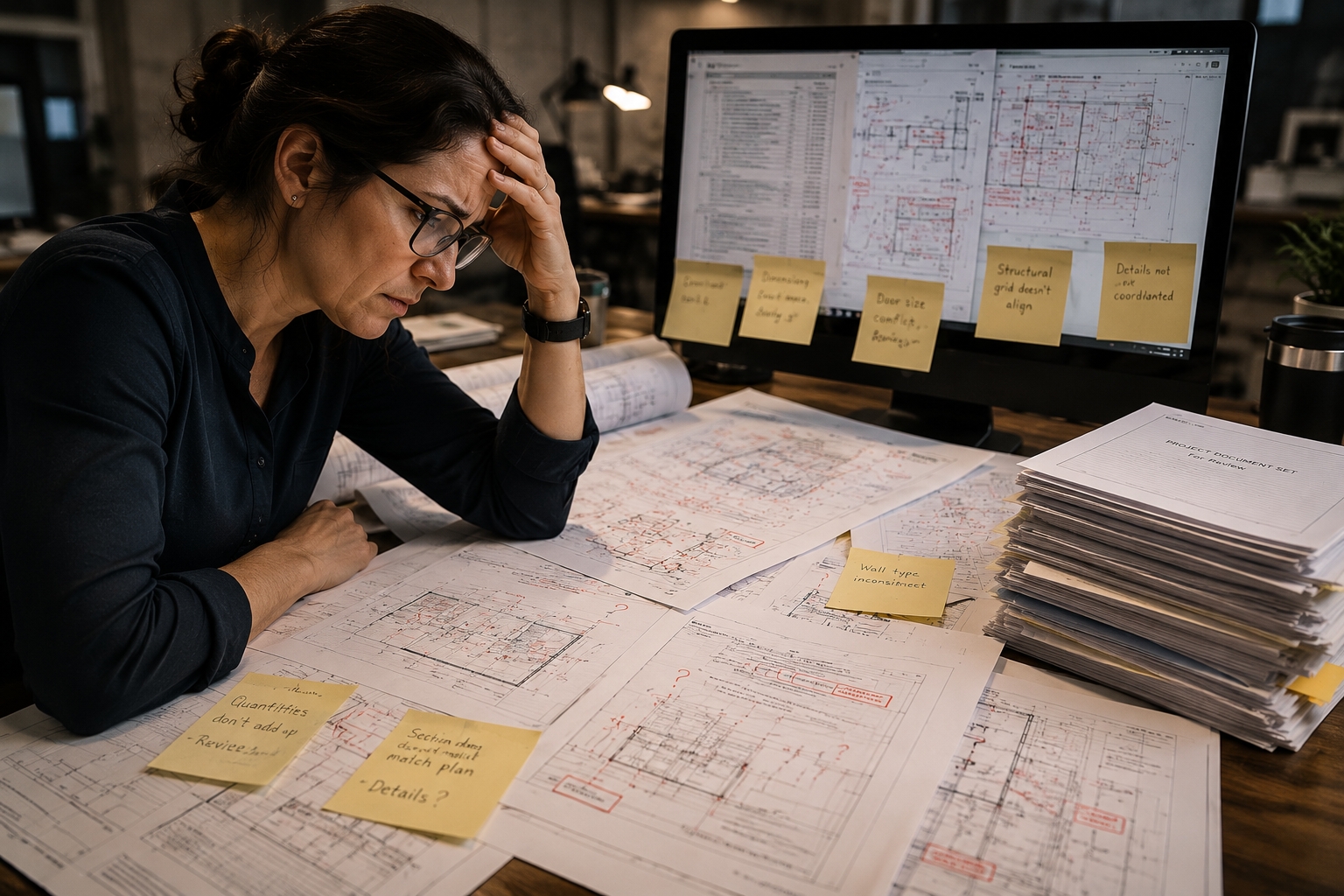
Unclear Scope
Scope gaps create pricing, schedule, and responsibility confusion before the project even starts.
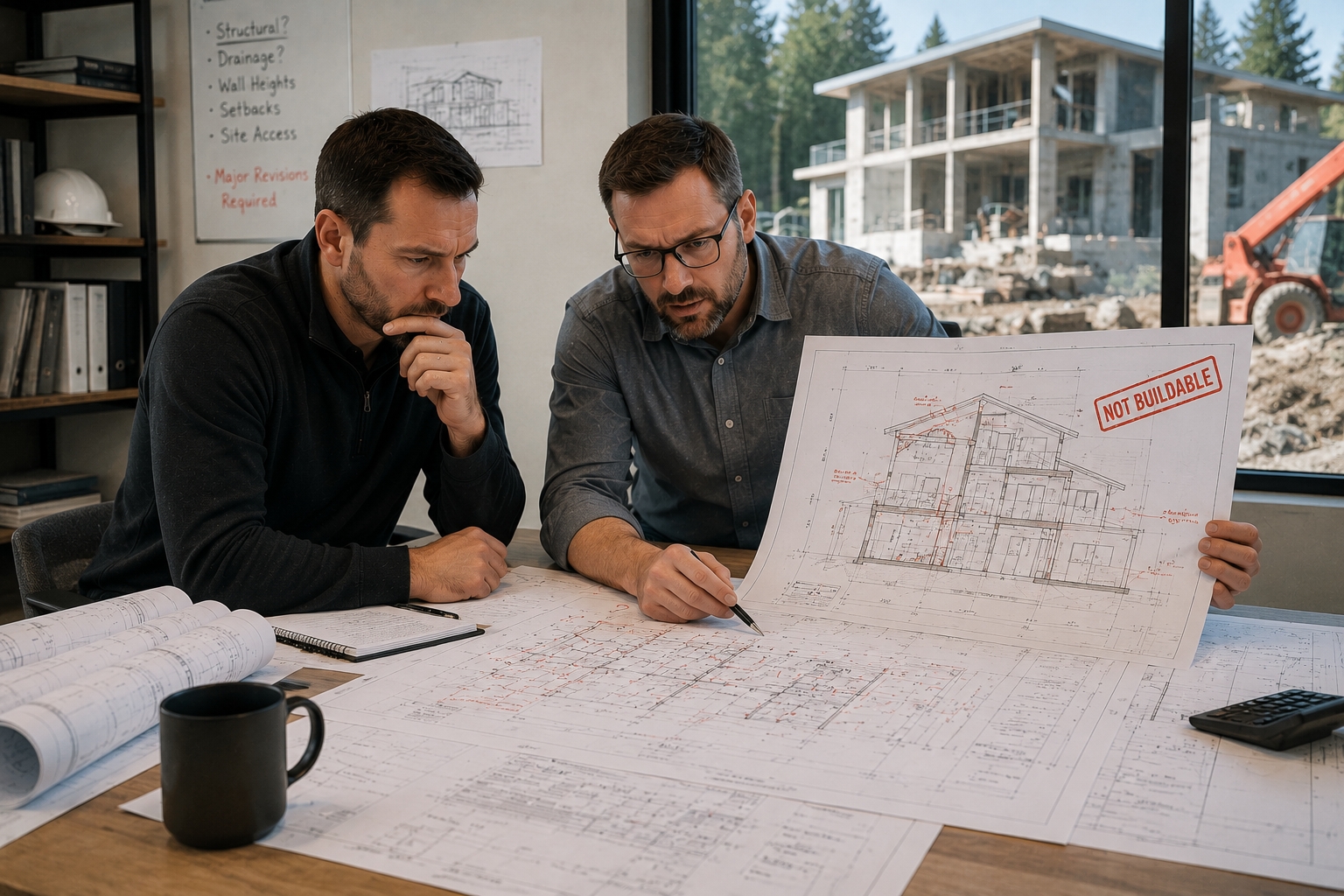
Unbuildable Plans
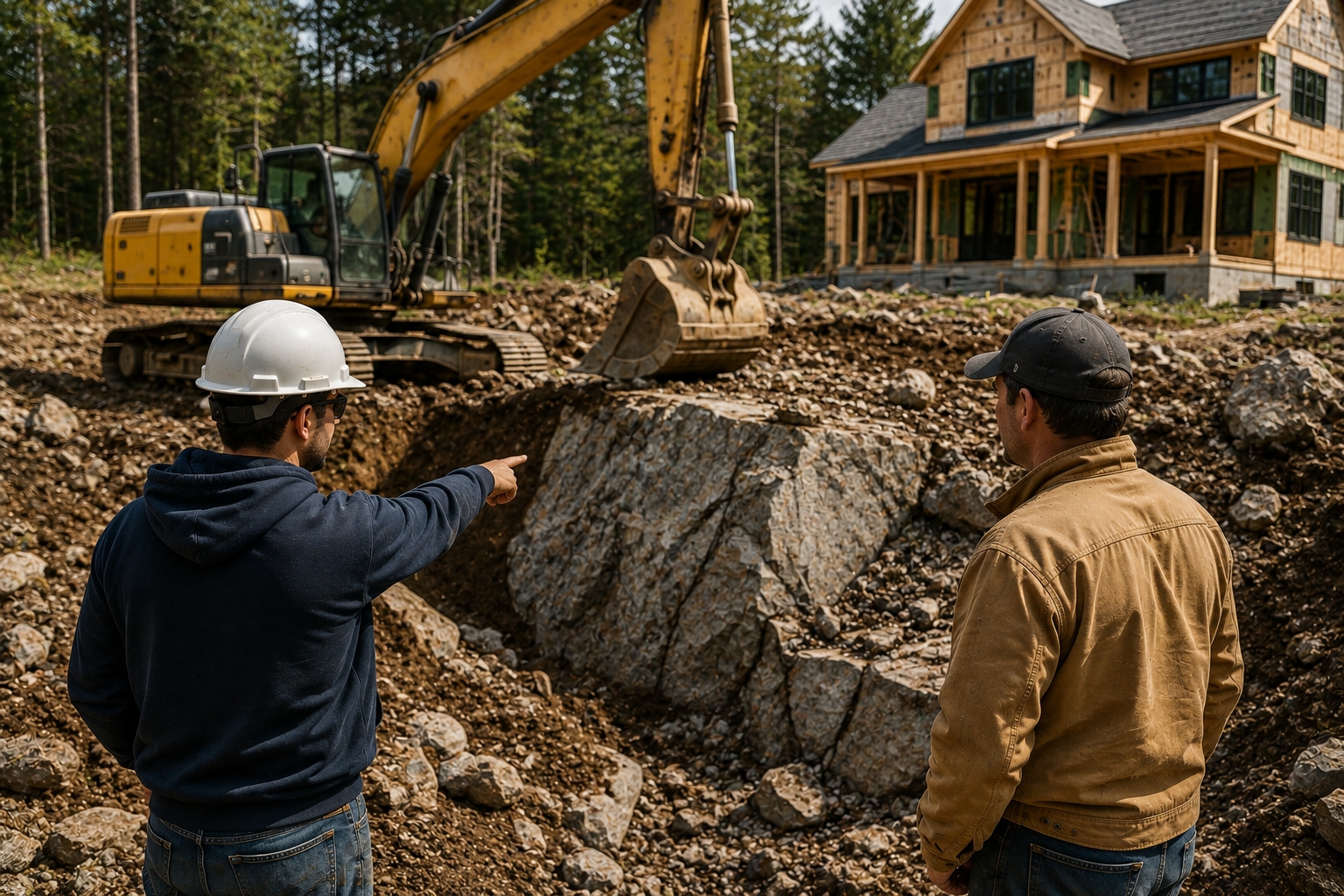
A plan can look clean on paper but fail when it ignores access, sequencing, drainage, utilities, or field tolerances.
Poor Coordination
Projects stall when decisions, RFIs, reviewers, contractors, and owner approvals are not managed clearly.


The common problems that kill project momentum

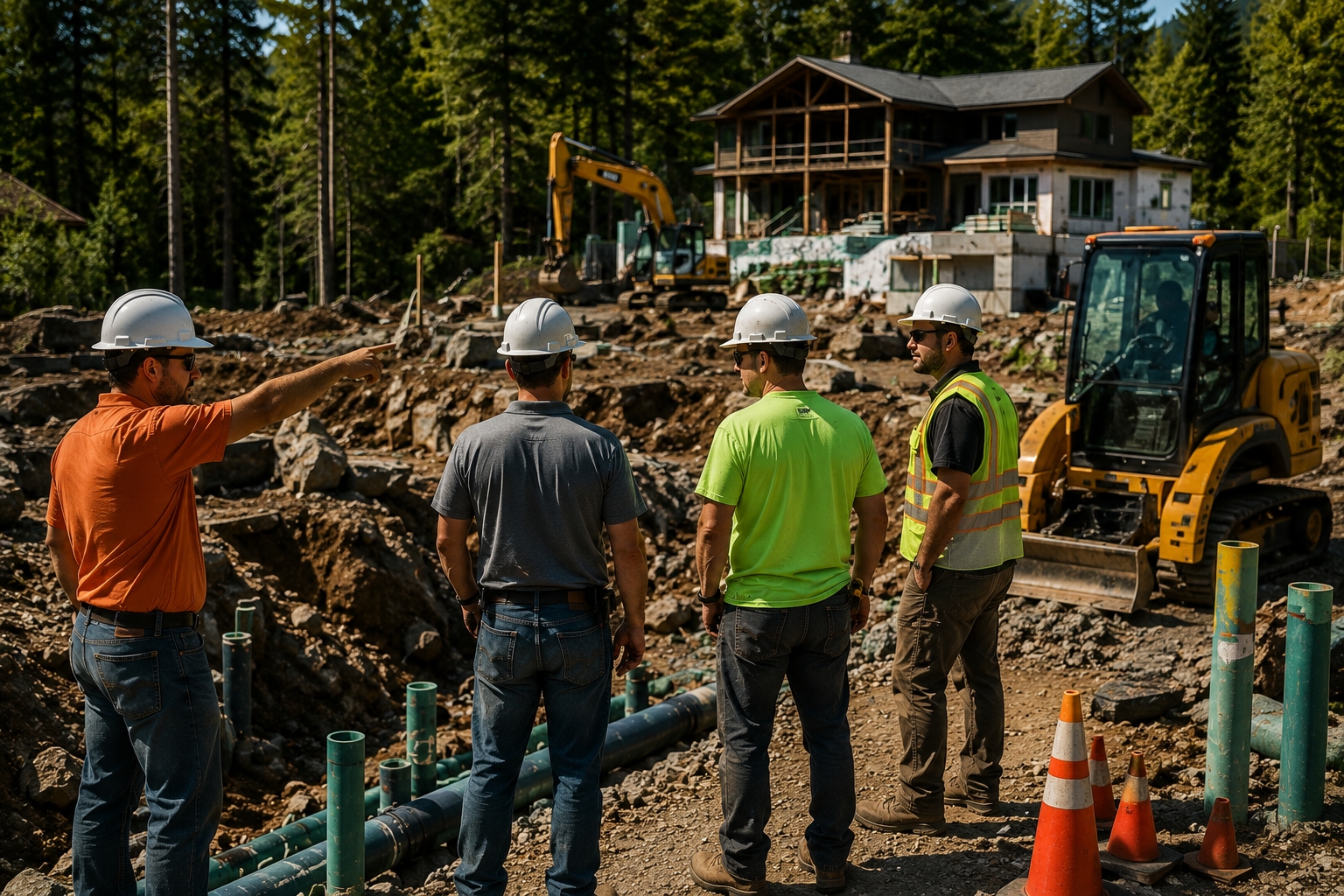
How Legacy keeps projects moving
1
Scope Definition
We define the scope, deliverables, assumptions, exclusions, owner inputs, and decision points before work starts.
2
Feasibility Planning
We recommend feasibility or concept phases when the unknowns are too large for a reliable final-design scope.
3
Construction-Focused Design
We design with construction reality in mind: grading, drainage, excavation, access, sequencing, utilities, inspections, and field tolerances.
4
Permitting & Documentation
We prepare reviewer-friendly packages with consistent drawings, narratives, calculations, details, and revision tracking.
5
Construction Support
We respond to RFIs, reviewer comments, field questions, and revisions within the agreed construction-support scope.
6
Construction Management
When separately retained for construction management, we coordinate schedules, subcontractors, procurement, meetings, action items, changes, and owner decisions.
What this means for the owner
FAQ
A: Yes. We can review the issue, identify the likely cause, and recommend the next practical step, such as a feasibility review, revised design package, RFI response, or construction-coordination support.
A: No. Clear scope, documented assumptions, and fast coordination matter on residential, commercial, subdivision, stormwater, septic, and construction-management projects.
Avoid preventable project delays
Send the project location, current status, and the issue you are trying to solve. Legacy will identify the right next step.